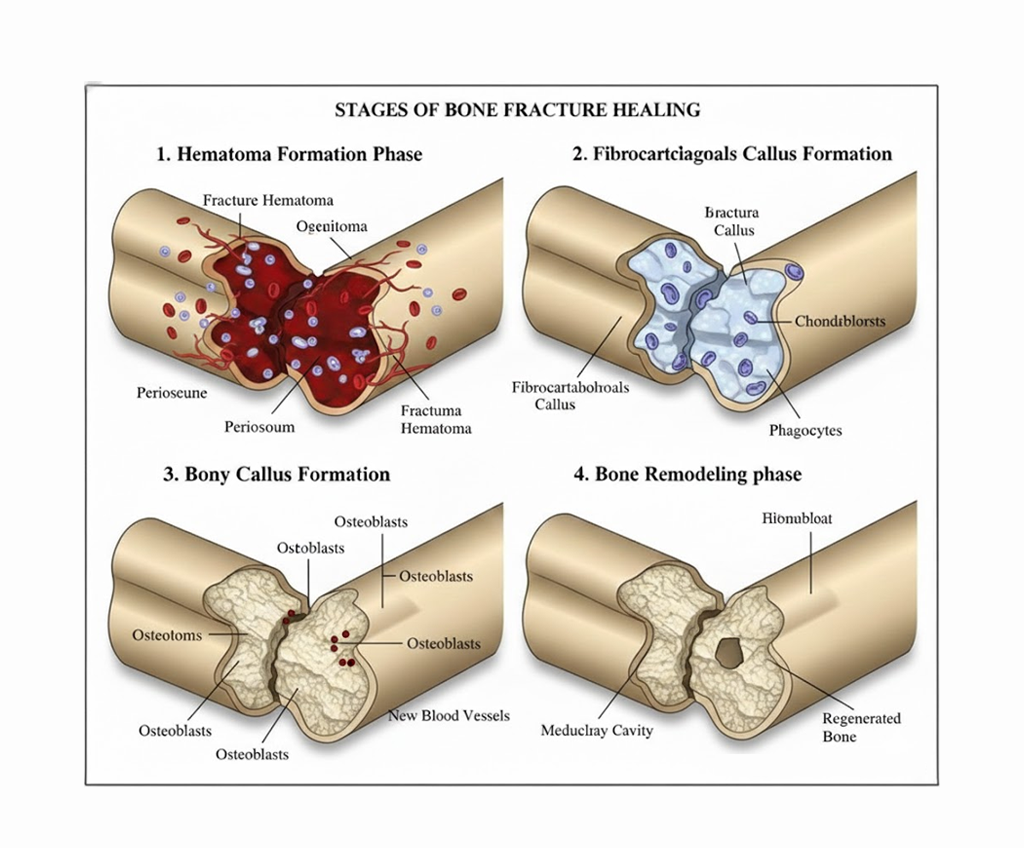
Survival is an innate ability that every human body possesses. From cellular repair and mending broken bones to fighting off infections, the human body has the unique strength to repair itself.
microneedling with prp before and after
Understanding Cell Signaling
Regeneration is a complex process, but it relies on precise communication between cells and biochemical signals. Cells use these signals to guide repair. Specialized cells then renew themselves naturally. Several modern procedures stimulate the body’s natural regenerative abilities.
Microneedling with PRP before and after rejuvenates aging skin, repairs injured tissue, and restores muscles. This article sheds light on cellular regeneration to understand the intricate balance of life and growth in the natural world.
In the process of regeneration, cell signaling plays an integral role. Cells detect damage, respond to devices, and adapt to tissue changes. Without this
cellular communication network, expecting a perfect repair is a fancy imagination.
Injury Detection
The cells of the damaged tissues release chemical signals that alert nearby cells and the immune system. The released signals define the injury level, ensuring the response level is measured. Timely detection determines how efficiently healing proceeds.
Repair Coordination
Inflammation is often misjudged. However, it plays a key role in regeneration.
Signaling cells then communicate with immune cells to repair damage while protecting healthy tissue. After achieving the goal, the same signaling cells set their focus on rebuilding.
Precision
Timing and precision play an integral role in cell signaling. Signals that promote regeneration should not be delayed, as disruptions can interrupt the healing process in the biological repair.
Growth factors act as messengers in the form of specialized proteins that instruct cells to divide or migrate. They provide required guidance through every phase of regeneration.
Cell Proliferation
Growth factors stimulate nearby cells to repair tissue.
PRP injections deliver these signals directly to the target area.
Doctors monitor the process to ensure regenerated tissue matches the original safely.
Formation of Blood Vessels
Growth factors not only release signals but also support the formation of new blood capillaries. Angiogenesis is another name for this process. Healing tissues require proper nutrients and oxygen quantity that is delivered through blood vessels. Once the regeneration process is completed, normal circulation is restored.
Structural Integrity Process
Growth factors guide tissues on how to organize themselves, help collagen fibres in skin, muscles, and other connective tissues. The structural guidelines contribute to the strength of healed tissues, which help them regain their original functioning.
Understanding Stem-Cell–Adjacent Therapies
Stem cells have the ability to perform different biological functions, and modern skin firming techniques focus on supporting these cells to work within natural biological limits.
Role of Native Cells
Most body tissues contain natural cells capable of auto-repair. Stem-cell-adjacent-therapies create a supportive environment for these cells to operate in an organized way. A better internal environment improves the body’s own repair systems for an effective response.
Signaling Without Replacement
If you think you need to introduce new cells every time, it’s a misconception. Some biological approaches follow the signals that utilize existing regenerative pathways. This is a potential way to minimize the risk level associated with the uncontrolled cell growth. Don’t fret, as the natural healing process remains intact.
Know the Biological Boundaries
The body’s own cells play a vital role in avoiding various medical concerns associated with direct stem cell manipulation. Regeneration needs to be within biological boundaries to avoid the consequences.
Regenerative technique works on the modern philosophy where the body’s built-in healing abilities are utilized to achieve the biological goals. These methods aim to improve the overall body wellness through efficient repair.
Intense Biological Signals
One of the most applied clinical approaches is PRP therapy. It involves all the natural components already present in the human blood for better healing. Platelets play an integral role in releasing effective growth factors that have a key role in the tissue repair process.
Localized Action and Response
Additionally, advanced regenerative therapies deliver signals directly to the targeted area to support natural healing. Experts study how the local tissues respond and contribute to the healing process under certain biological conditions.
Body Wellness Research
Regenerative techniques are often evaluated through the lens of essential nutrition and recovery. External interventions can be better evaluated on the basis of local repair mechanisms, physiological balance, and overall strength level.
Skin Repair and Structure
Collagen renewal and cellular turnover are often examined in the context of skin rejuvenation
treatments. Modern regenerative techniques explore how natural repair systems work overtime in anti-ageing and age reversing contexts.
Top Factors Influencing Cellular Regeneration
Cellular regeneration is a modern and complex process significant for maintaining overall tissue health and post damage repair. Let’s explore the leading factors impacting this technique in the context of the body’s ability to heal seamlessly.
Nutrition and Lifestyle Choices
Choosing a diet rich in antioxidants, minerals, and vitamins supports cellular regeneration, while poor dietary habits and lifestyle can badly impact the process.
Physical activities regulate the blood flow, aiding tissue repair and contributing to overall well-being.
Ageing Impact on Regeneration
Ageing poorly impacts the body’s regeneration process, eventually increasing the repair time of damaged tissues. The healing process becomes steady, increasing the vulnerability to diseases. Knowing the role of aging in the regeneration process is significant for developing strategies effective for extending one’s lifespan.
Ecological and Genetic Factors
Exposure to UV radiation and other toxins can damage cells, declining their regenerative abilities. Genetic factors also impact this natural ability. Understanding how all the factors impact the repair process can help in making the right choices to enhance the regenerative strength.
The human body’s resilience is incredible, that is cellular regeneration. There are multiple cell repair and replace functions our body performs everyday. It is beyond a marvel; it is the foundation of life. If you want to escalate your internal ability to heal or rejuvenate after a certain condition, find the Revivabala experts for better consultation and personalized plans.
REVIVABALA MEDICAL AESTHETICS
Experience the Future of Regenerative Aesthetics
Schedule a personalized consultation with Dr. Bala to discover treatment plans tailored to your skin, contours, and vitality.
Book Virtual Consultation →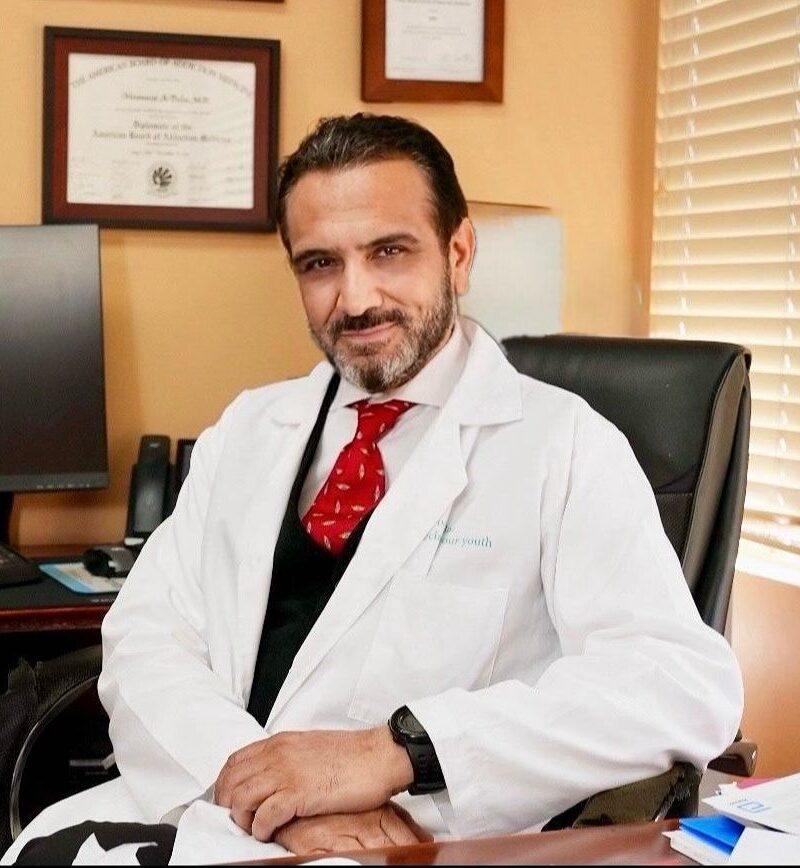
Written & Clinically Reviewed By
Dr. Massarat Ahmad Bala, MD
Founder & Medical Director, RevivaBala · Former Chairman of Medicine, Northwest Community Hospital
Dr. Bala brings over 30 years of clinical leadership and innovation in medicine and regenerative aesthetic therapies. He leads RevivaBala with an evidence-based approach to anti-aging, non-surgical facial rejuvenation, Morpheus8 RF treatment, and functional wellness.